


Project Edubat - Education Taking Flight
Bats are amazing animals that are vital to the health of our environment and economy - eating tons of insects nightly, pollinating flowers, and spreading seeds that that grow new plants and even trees. CLICK HERE for Project EduBat and resources to learn about and help teach others about bats.
BatsLIVE: A Distance Learning Adventure brings bat conservation to life through webcasts,
webinars, and online education resources. Bats are vital to healthy ecosystems and human
economies worldwide. As primary predators of night-flying insects, bats consume enormous
quantities of agricultural pests and reduce the need for chemical pesticides. Yet these
wonderfully diverse and beneficial creatures are among the least studied and most
misunderstood of animals. Bats are threatened worldwide, and their colonies and habits
are destoyed — both intentionally and inadvertently — because of myths, misinformation,
and lack of scientific knowledge and understanding.
BatsLIVE Webcasts and Webinars
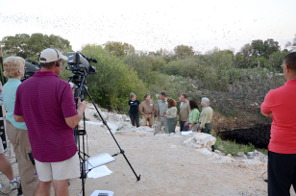
- CLICK HERE to watch the Bat Basics webcast and learn about bat species, White-Nose Syndrome, and how to help these facinating mammals.
- CLICK HERE to watch the Bracken Bat Cave webcast and learn about the world's largest bat conony.
- CLICK HERE to watch the webinar, Cave and Karst: The World Beneath our Feet.
- CLICK HERE to watch the webinar, Bat Basics. (Scroll to the middle of the page.)
- CLICK HERE to watch the webinar, Bat Education in Your Class and in the Field. (Scroll to the bottom of the page.)
Project EduBat
Bats need our help!
--
RESERVE bat education trunk
-- CHECK OUT the bat curriculum
--
WATCH the webcast

- Join in CITIZEN SCIENCE activities involving bats in your state.
- Check out all the FREE RESOURCES on this web site.
- Connect to the LEADING BAT CONSERVATION ORGANIZATIONS in the world.
- CLICK HERE for FAQs about bats.
BatsLIVE, Bats-LIVE, Bats Live content: © 2024 Prince William Network
Partners and Sponsors